
Devastating Bushfires Engulf Central Queensland, Leaving Trail of Destruction and Raising Fears for the Future of Australian Agriculture
- Bushfires have ravaged central Queensland, killing livestock and damaging several agricultural properties, with the region’s driest winter in six years exacerbating the crisis
- Producers are being urged to remain vigilant and postpone hazard-reduction burns as fire services struggle to keep up with the blazes, which have already destroyed valuable infrastructure and livestock
- The fires have caught many off guard, with some producers expressing concerns about their preparedness for the upcoming season and the potential long-term consequences for the Australian agricultural industry
- The community is rallying around affected farmers, with donations and volunteer efforts pouring in to help with the recovery and rebuilding process, highlighting the resilience and solidarity of rural Australian communities
The devastating bushfires sweeping through central Queensland have left a trail of destruction in their wake, with livestock killed, properties damaged, and the region’s agricultural industry reeling from the impact.
For Kat Kirk, a hobby farmer from Port Curtis, just outside Rockhampton, the experience has been nothing short of traumatic.
With her property engulfed by flames, she was forced to fight to protect her livestock, watching in horror as a coop of breeding chickens was destroyed and almost all of her land was burnt.
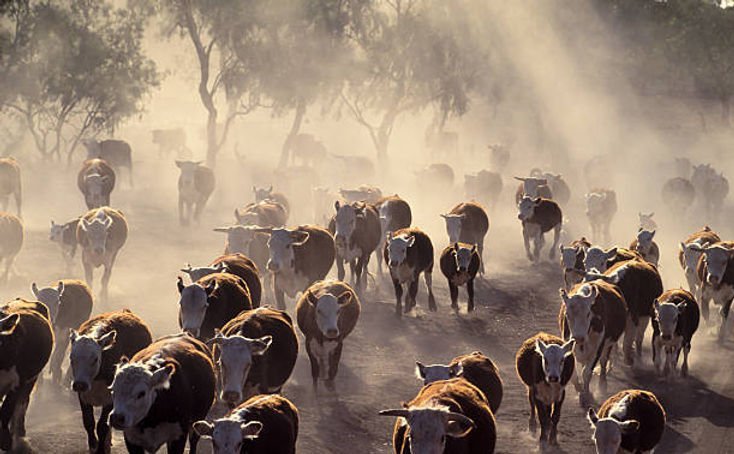
The speed and ferocity of the blaze were breathtaking, with Ms Kirk recalling the mere six minutes she had to react between spotting the fire and trying to evacuate her animals.
The consequences were dire, with the loss of valuable livestock and infrastructure, not to mention the emotional toll of the ordeal.
As she rebuilds and reinforces her property, Ms Kirk is acutely aware of the challenges that lie ahead, with the dry conditions continuing to pose a significant threat to her livelihood and the livelihoods of her fellow producers.
The bushfires have been a stark reminder of the dangers of the Australian environment, particularly during periods of drought and high temperatures. With Queensland experiencing its driest winter in six years, the conditions have been ripe for disaster.
The Bureau of Meteorology has reported that rainfall across central Queensland has been well below average, leaving the region vulnerable to the ravages of fire.
As the Queensland Fire Department issues Watch and Act advice alerts for multiple blazes, producers are being urged to remain vigilant and take proactive steps to protect their properties and livelihoods.
For Debbie-Jo MacDonald, an egg producer from 20 kilometres north of Ms Kirk, the experience has been a sobering one. Despite being relieved that her property was mostly spared from fire damage, she was caught off guard by the speed and intensity of the blaze.
The emotional toll of the experience has been significant, with Ms MacDonald expressing concerns about the welfare of her animals and the potential long-term consequences for her business.
As she reinforces her property and builds more water infrastructure, she is determined to prevent a similar disaster from occurring in the future.
The fires have also had a significant impact on the local community, with many producers expressing concerns about their preparedness for the upcoming season. With the dry conditions continuing to pose a threat, there are fears that the region could be facing a catastrophic bushfire season.
The Queensland Fire Department is urging producers to remain vigilant and take proactive steps to protect their properties and livelihoods. As the community rallies around affected farmers, there is a sense of solidarity and resilience that is characteristic of rural Australian communities.
Analysis: What This Means for Australia.
The bushfires in central Queensland have significant implications for the country’s agricultural industry, with the potential for long-term damage to the region’s ecosystem and economy.
The dry conditions and high temperatures have created a perfect storm of fire risk, and producers are being forced to adapt to a new reality.
Security analysts say that the bushfires highlight the need for improved fire management strategies and more proactive approaches to mitigating the risks associated with drought and high temperatures.
Law enforcement insiders warn that the bushfires also have significant implications for community safety, with the potential for evacuations and property damage.
As the region struggles to come to terms with the devastation, experts are warning that the bushfires are a stark reminder of the need for improved disaster preparedness and response.
Industry observers believe that the bushfires will have a significant impact on the local economy, with the potential for job losses and business closures.
The Australian Government is being urged to provide additional support to affected producers, including financial assistance and resources to help with the recovery and rebuilding process.
As the community begins the long process of recovery, there is a sense of determination and resilience that will be crucial in the face of adversity.
The bushfires in central Queensland are a sobering reminder of the power of nature and the importance of being prepared for disaster. As the region looks to the future, there is a sense of uncertainty and concern about what the upcoming season may hold.
However, with the community rallying around affected farmers and producers taking proactive steps to protect their properties and livelihoods, there is also a sense of hope and resilience.
By working together and supporting one another, the people of central Queensland can rebuild and recover from this devastating disaster, and emerge stronger and more resilient than ever before.
The bushfire crisis has highlighted the need for improved disaster preparedness and emergency response strategies, and the Australian Government must take a proactive approach to supporting affected communities and mitigating the risks associated with climate change.
In the aftermath of the bushfires, it is clear that the road to recovery will be long and challenging.
However, with the support of the community and the determination of producers like Ms Kirk and Ms MacDonald, there is a sense of optimism and hope for the future.
As the region begins to rebuild and recover, it is essential that the Australian Government provides adequate support and resources to help affected producers and communities.
This includes providing financial assistance, resources, and expertise to help with the recovery and rebuilding process, as well as implementing policies and strategies to mitigate the risks associated with drought and bushfires.
By working together, we can help the people of central Queensland recover from this devastating disaster and build a stronger, more resilient community for the future.
For more information on the bushfires and the response efforts, visit the Australian Bureau of Meteorology website or the Queensland Fire Department website.