

Meningococcal Disease Outbreak Sparks Fears As Child Rushed To Hospital In Western Australia Amid Rising Number Of Cases
- A young child in Western Australia has been diagnosed with a life-threatening strain of meningococcal disease, sparking urgent health warnings across the state.
- The case is one of six reported in Western Australia this year, with five of those diagnosed with serogroup B and one with serogroup Y, highlighting the growing concern over the spread of this deadly illness.
- Meningococcal disease can lead to death in up to 10 per cent of patients and cause long-term complications such as hearing loss, limb amputations, or brain damage in around 15 per cent of those infected.
- Health authorities are warning parents and caregivers to be vigilant for symptoms, which can include high fever, chills, headache, and a distinctive spotty red-purple rash, as the disease can progress rapidly and be fatal if left untreated.
The recent diagnosis of a child with meningococcal disease in Western Australia has sent shockwaves through the community, with many left wondering how this deadly illness can be prevented and what measures are in place to protect vulnerable populations.
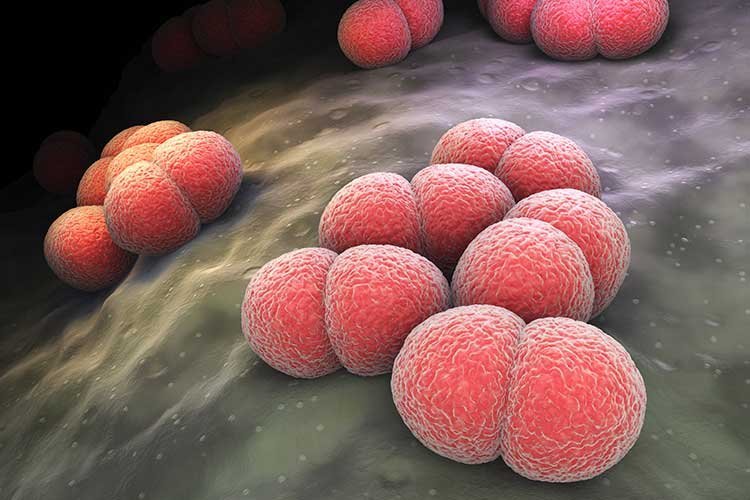
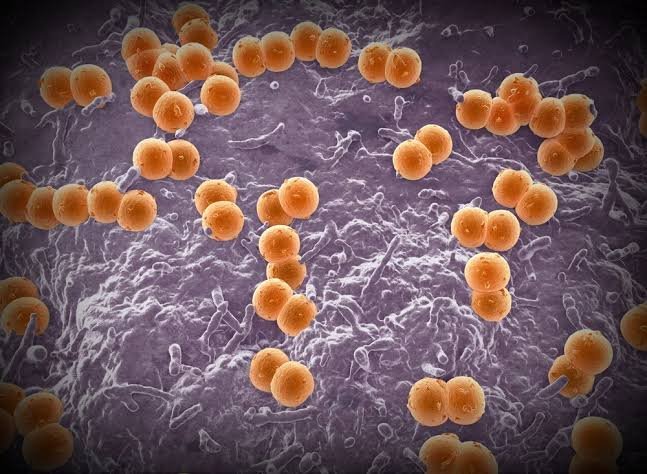
Meningococcal disease is an uncommon but life-threatening illness caused by a bacterial infection of the blood or the membranes that line the spinal cord and brain, and it can have devastating consequences if not caught early.
According to WA Health, the child is one of six people diagnosed with meningococcal disease in Western Australia this year, with five of those cases being serogroup B and one being serogroup Y.
This brings the total number of cases reported in 2025 to 13, with 12 of those being serogroup B and one being serogroup Y.
The fact that most people with the disease recover after treatment offers some reassurance, but the risk of long-term complications and the potential for death in a small percentage of patients serves as a stark reminder of the need for vigilance and prompt medical attention.
To understand the context of this outbreak, it’s essential to delve into the history of meningococcal disease in Australia and the measures that have been put in place to prevent its spread.
Meningococcal bacteria are not easily spread from person-to-person and are typically found in droplets discharged from the nose and throat when coughing or sneezing.
However, the bacterium can be carried harmlessly in the back of the nose and throat by about 10 to 20 per cent of the population at any one time, making it a potential threat to public health.
The fact that symptoms of invasive meningococcal disease can be non-specific and resemble those of other illnesses makes early detection and treatment crucial in preventing long-term complications and death.
Analysis: What This Means for Australia is that the country needs to be proactive in preventing the spread of meningococcal disease, particularly among vulnerable populations such as young children and Aboriginal communities.
The fact that there are two types of vaccine available, one against four serogroups of the disease (serogroups A, C, W, and Y) and the other against serogroup B, offers some hope in the fight against this deadly illness.
The MenACWY vaccine is free for all children at 12 months old and offered to all Year 10 students, with a free catch-up program for adolescents aged 15 to 19 years old, while the MenB vaccine is free for all Aboriginal children aged up to two years old.
However, more needs to be done to raise awareness about the disease and the importance of vaccination in preventing its spread.
Security analysts say that the rising number of meningococcal disease cases in Western Australia highlights the need for improved public health measures, including increased funding for vaccination programs and enhanced surveillance to detect potential outbreaks early.
Law enforcement insiders warn that the disease can have a significant impact on communities, particularly in rural and remote areas where access to medical care may be limited.
Industry observers believe that the Australian government needs to take a more proactive approach to preventing the spread of meningococcal disease, including implementing mandatory vaccination programs for high-risk populations and providing more resources for public health education and awareness campaigns.
As the situation continues to unfold, it’s clear that meningococcal disease is a serious public health concern that requires immediate attention and action.
The fact that the disease can be prevented through vaccination makes it essential for parents and caregivers to take advantage of the free vaccination programs available and for the government to continue to invest in public health initiatives that promote awareness and prevention.
By working together, we can reduce the risk of meningococcal disease and protect vulnerable populations from this deadly illness. For more information on meningococcal disease and vaccination programs, visit the Australian Department of Health website or consult with a healthcare professional.
In conclusion, the recent diagnosis of a child with meningococcal disease in Western Australia serves as a stark reminder of the need for vigilance and prompt medical attention in preventing the spread of this deadly illness.
By understanding the causes and symptoms of meningococcal disease, taking advantage of free vaccination programs, and supporting public health initiatives, we can work together to reduce the risk of this disease and protect vulnerable populations.
As the Australian government continues to invest in public health initiatives, it’s essential to recognize the importance of disease prevention and World Health Organization guidelines in preventing the spread of meningococcal disease and promoting public health and safety.