


Victoria’s Crime Rate Plummets By 3.8 Per Cent But Police Warn Of Ongoing Crisis As 1,340 Roles Remain Unfilled
- A dramatic 27 per cent drop in home invasions and 25 per cent decrease in carjackings have contributed to Victoria’s overall crime rate falling by 3.8 per cent in the past year.
- Despite the promising statistics, Victoria Police is still grappling with a major retention crisis, with 1,340 unfilled roles, sparking concerns about the force’s ability to maintain public safety.
- Youth crime has decreased by 8.1 per cent, but organised crime, repeat offenders, mental health, and drugs remain the main drivers of crime, with trafficking and dealing spiking by 18.5 per cent.
- The latest crime data has raised questions about the effectiveness of the state’s crime prevention initiatives, including the $40 million Youth Crime Prevention Program, which has failed to show a significant reduction in youth offending.
The latest crime statistics have brought a mix of relief and concern for Victorians, as the state’s overall crime rate has fallen by 3.8 per cent in the past year.
While the decrease in crime is a positive trend, the ongoing retention crisis within Victoria Police has sparked fears about the force’s ability to maintain public safety.
With 1,340 roles remaining unfilled, the police force is under immense pressure to recruit and retain officers to tackle the state’s crime problems.
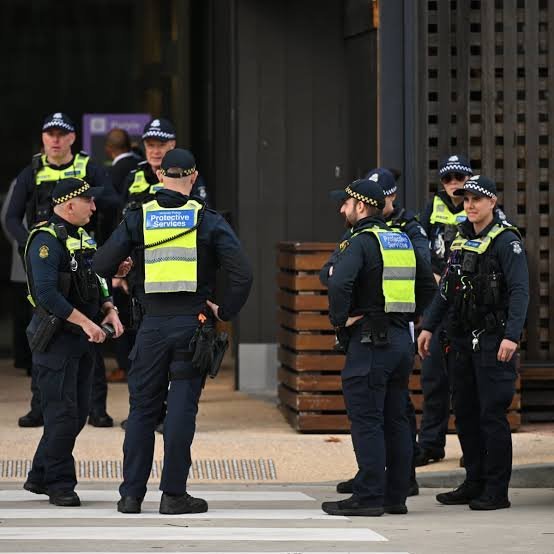
According to the Crime Statistics Agency, the fall in crime rates can be attributed to a significant decrease in serious and violent crimes, including home invasions, carjackings, and robberies.
The agency’s Chief Statistician, Fiona Dowsley, described the 20 per cent drop in burglaries and break-ins as “really significant”, but noted that the cause of the fall was difficult to determine.
Dowsley suggested that crime prevention initiatives and the remanding of offenders may have contributed to the temporary decrease in crime.
However, despite the positive trends, organised crime, repeat offenders, mental health, and drugs remain the main drivers of crime in Victoria. The latest data shows that trafficking and dealing of drugs such as cocaine, meth, ecstasy, and prescription drugs have spiked by 18.5 per cent.
This has raised concerns about the state’s ability to tackle the root causes of crime and prevent reoffending.
Security analysts say that the increase in drug-related crimes is a major concern, as it can have a significant impact on community safety and public health.
The Victorian government has pledged to recruit 1,500 extra police to crack down on crime, but the retention crisis within Victoria Police remains a significant challenge.
The force is struggling to fill 1,340 roles, which has sparked concerns about the ability of the police to respond to emergencies and maintain a visible presence in the community.
Law enforcement insiders warn that the shortage of police officers can have serious consequences, including increased response times and a reduced ability to prevent and investigate crimes.
Analysis: What This Means for Australia
The latest crime statistics have significant implications for Australia’s national security and law enforcement.
The rise in organised crime and drug-related offenses is a major concern, as it can have a significant impact on community safety and public health.
The retention crisis within Victoria Police is also a national issue, as it can affect the ability of the force to respond to emergencies and maintain a visible presence in the community.
Security analysts say that the Australian government needs to take a proactive approach to addressing the root causes of crime, including poverty, unemployment, and mental health issues.
This can involve investing in community-based programs and initiatives that aim to prevent crime and reduce reoffending.
Experts believe that the key to reducing crime is to adopt a multifaceted approach that involves law enforcement, community engagement, and social services. This can include investing in programs that provide support for at-risk youth, addressing mental health issues, and providing job training and employment opportunities.
Industry observers believe that the private sector also has a role to play in reducing crime, by investing in community-based initiatives and providing support for law enforcement agencies.
For example, companies can invest in programs that provide job training and employment opportunities for at-risk youth, or provide funding for community-based initiatives that aim to prevent crime.
In conclusion, the latest crime statistics are a mixed bag for Victorians.
While the decrease in crime rates is a positive trend, the ongoing retention crisis within Victoria Police and the rise in organised crime and drug-related offenses are significant concerns.
To address these issues, the Australian government needs to take a proactive approach to addressing the root causes of crime, including investing in community-based programs and initiatives that aim to prevent crime and reduce reoffending.
By working together, law enforcement agencies, community groups, and the private sector can help to create a safer and more secure community for all Australians. The crime prevention initiatives and law enforcement strategies need to be revised and updated to address the changing nature of crime in Victoria.
Additionally, the government needs to provide more funding for mental health services and drug rehabilitation programs to address the root causes of crime.